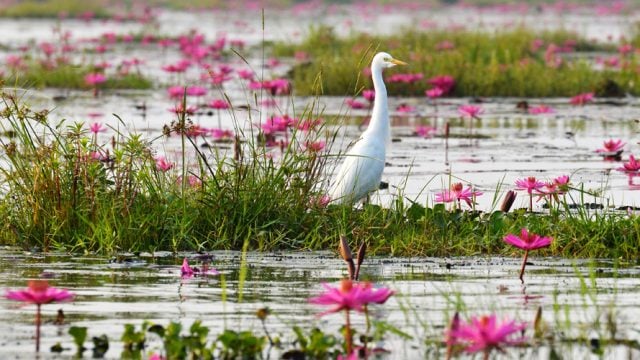

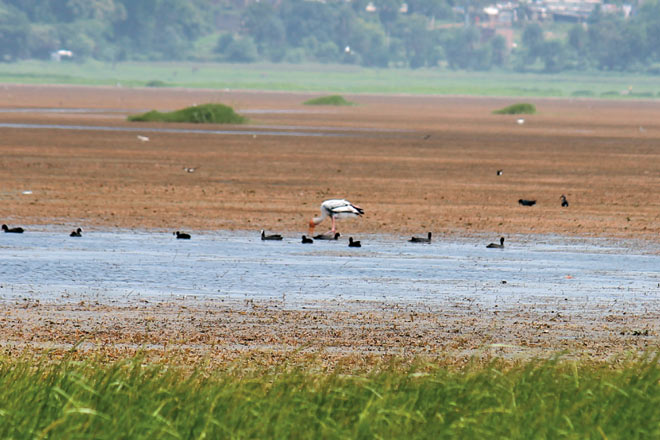
THE WILDLIFE
To the west of Bhopal are two very important manmade waterbodies, the Bhojtal and
LOCATION AND HOW TO MAKE THE BEST OF IT
The Bhoj wetland is a hugely important part of the socio-cultural fabric of Bhopal, which has grown densely around the twin lakes and relies on it for its drinking water needs. Bhopal is exceedingly well-connected; there are regular flights and trains to the nawabi city from virtually anywhere in India. The city also teems with infrastructure for travellers. In www.bhopalbirds.com you will find a very useful resource to the Bhoj wetland.
SPECIAL HIGHLIGHTS
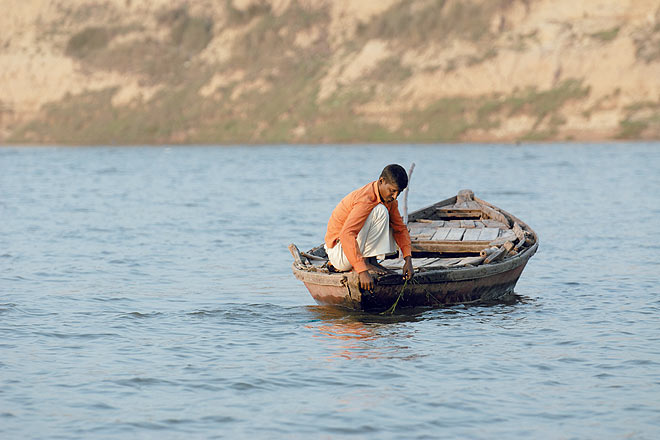
Although manmade, the Bhoj wetland has become a near-natural ecosystem in the 900 years since it was first conceived by a visionary king. Paramara Raja Bhoj (1005-1055 CE), the benefactor-ruler of Malwa, after whom the state capital Bhopal is also named, had the lake built by raising an earthen dam across the Kolans. The Lower Lake came up much later, in 1794, when Chhote Khan, minister to Nawab Hayath Mohammad Khan, decided to beautify the city thus. More recently, the Bhadbhada dam came up on the southeast corner of Bhojtal in 1965. Of the 26 Ramsar sites in India, the Bhoj wetland is among the most accessible, with a road going all around the twin lakes. It’s debatable if this should be celebrated, of course. Fortunately, aquatic ecosystems have been known to accommodate and survive considerable external influences and remain self-sustaining.
birdwatching
Ramsar Convention
Bhoj wetland in Madhya Pradesh
Leave a Reply
You must be logged in to post a comment.